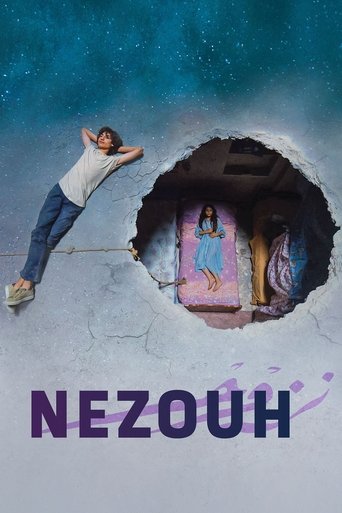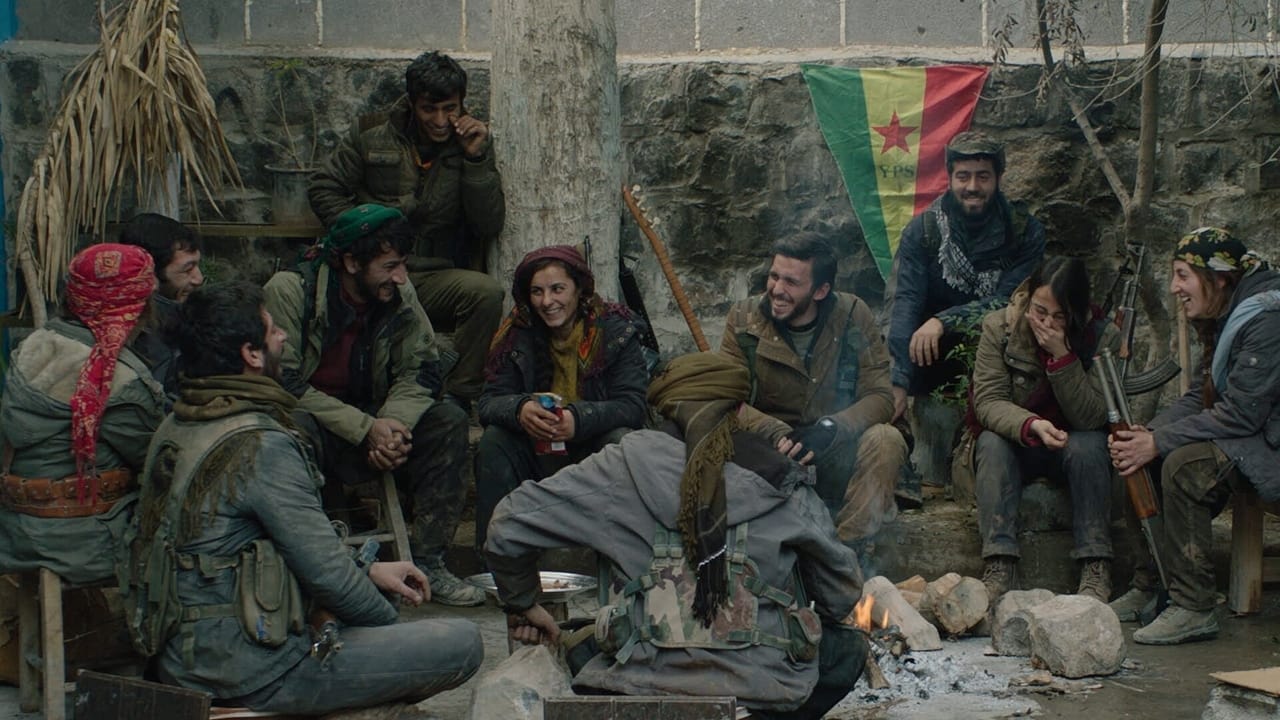
Zilan, a young woman, returns to her home town looking for traces of her dead brother, killed by ISIS. But her town is not what it used to be: social and political tensions have escalated into a state of war. The people have risen up to demand their political autonomy and the police and army repress them with brutal force. But the city’s resistance will go on for more than 100 days and Zilan will not remain a passive witness. Based on the diaries of those who died fighting and the testimony of survivors, who are the protagonists of the film, Çelik's first feature explores concepts such as hope, friendship, sacrifice and loss in the struggle for freedom of a group of young people.
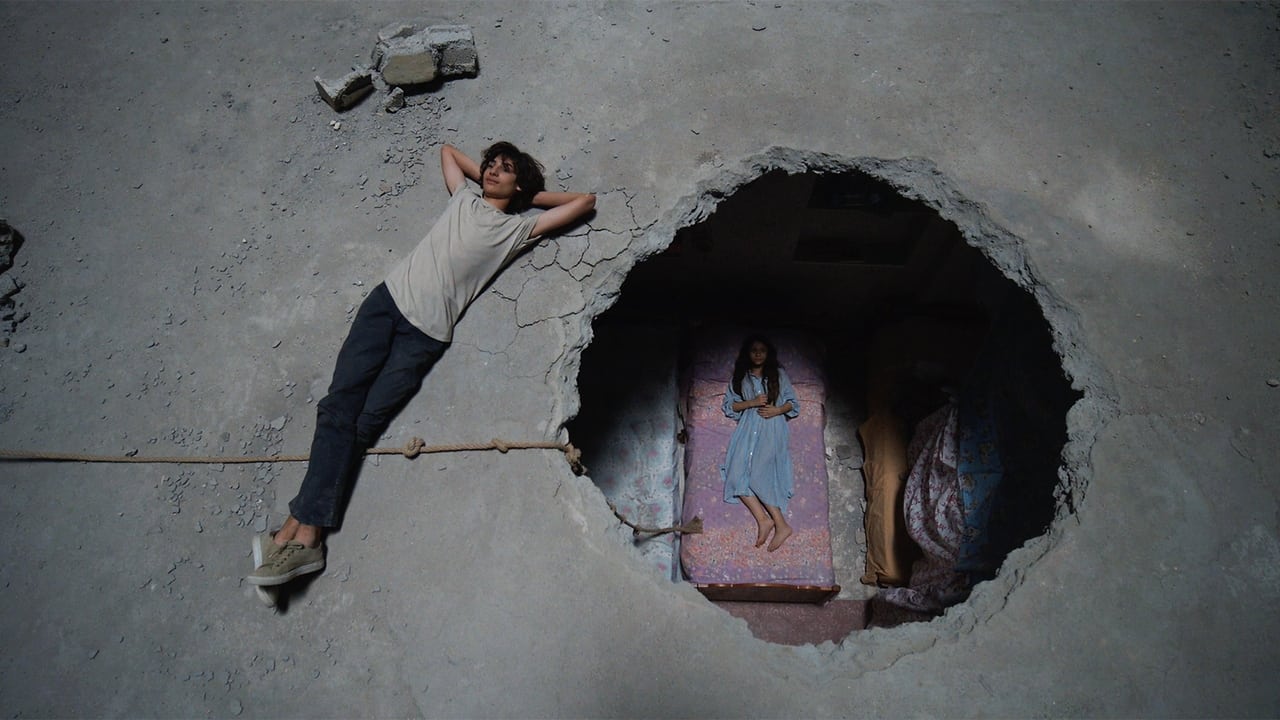
Even as bombs fall on Damascus, Mutaz refuses to flee to the uncertain life of a refugee. His wife, Hala, and daughter, Zeina, must make the choice whether to stay or leave.
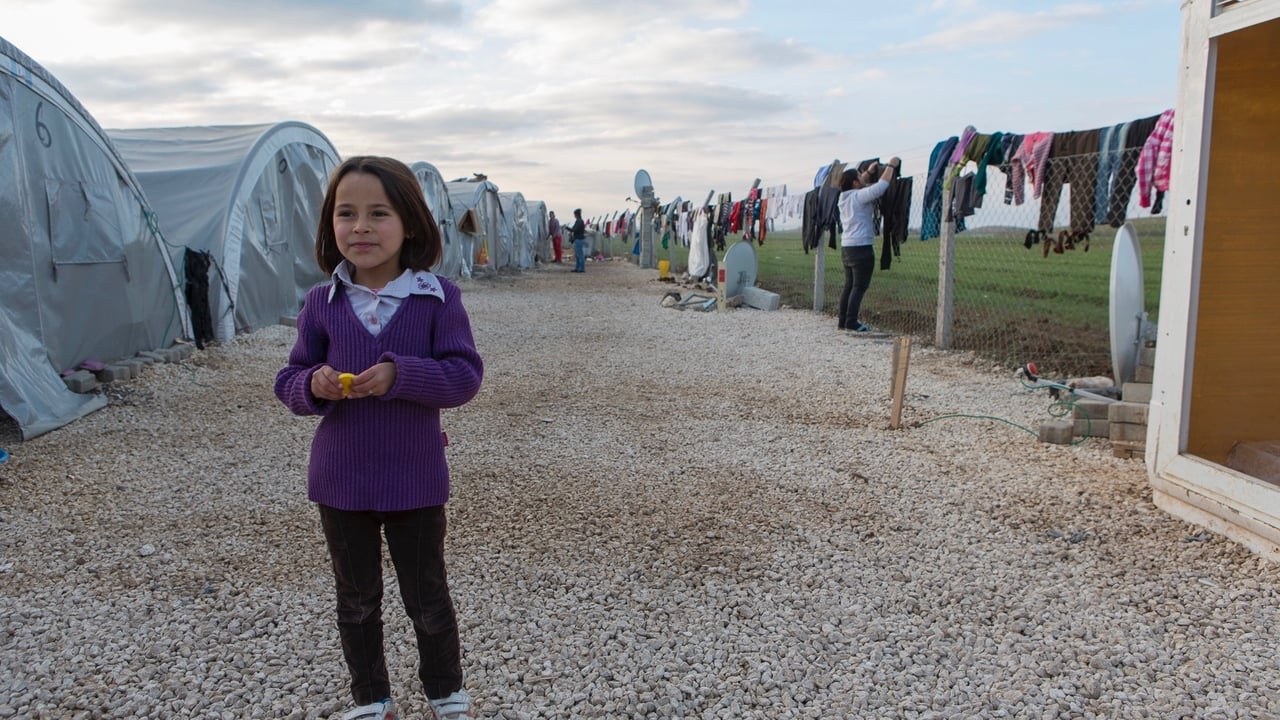
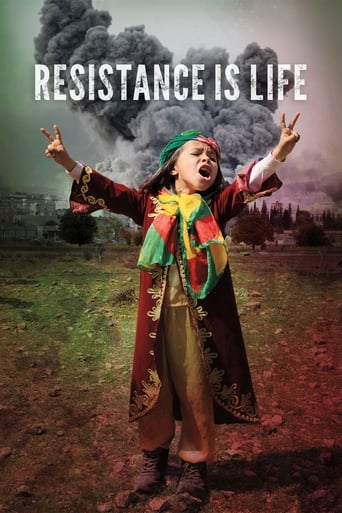
Eight-year-old Evlin characterizes the resilience of Kobane's resistance against ISIS forces through her experience in a refugee camp on the Turkish-Syrian border.
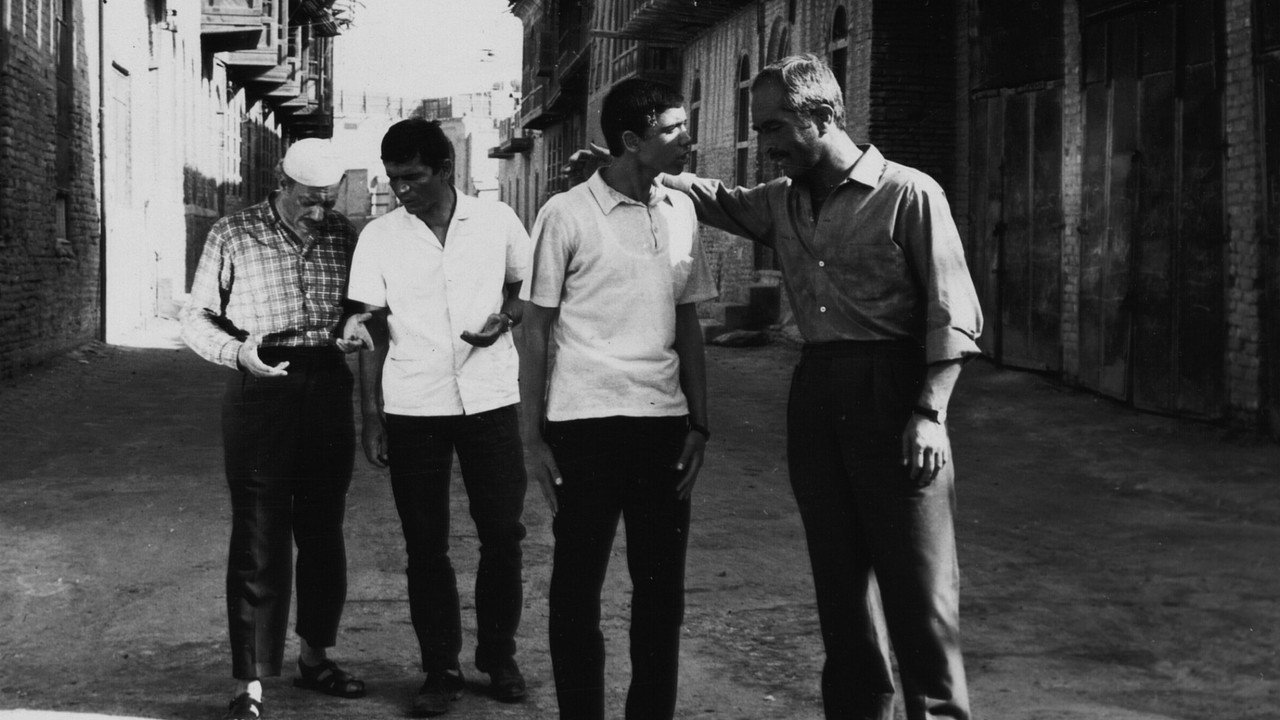
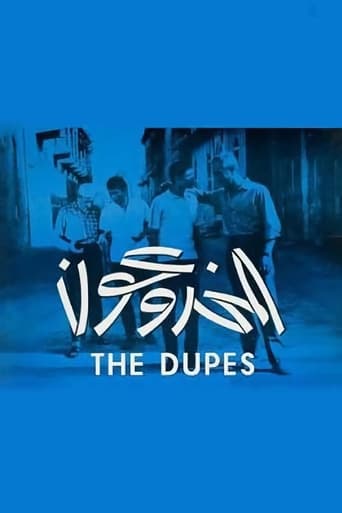
The film follows three Palestinian refugees brought together by dispossession and hope for a better future. Hiding in the tank of a truck, the men attempt to make their way across the border into Kuwait, the "promised land."
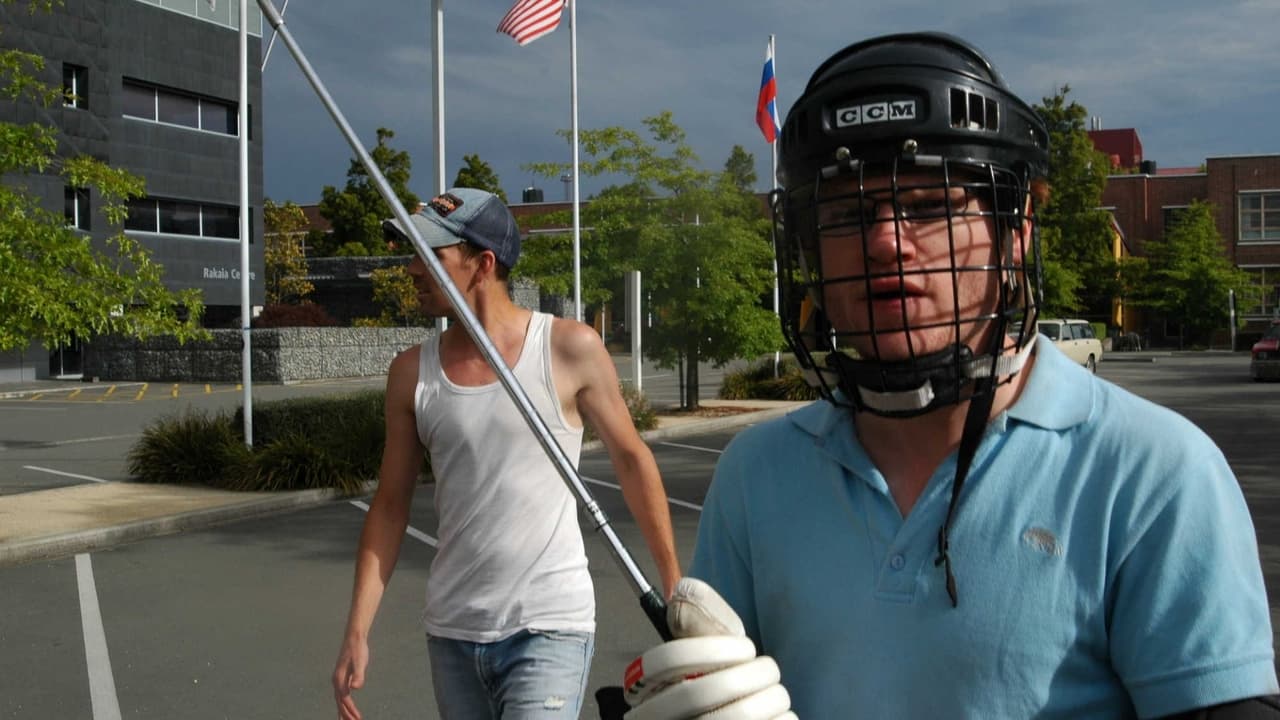
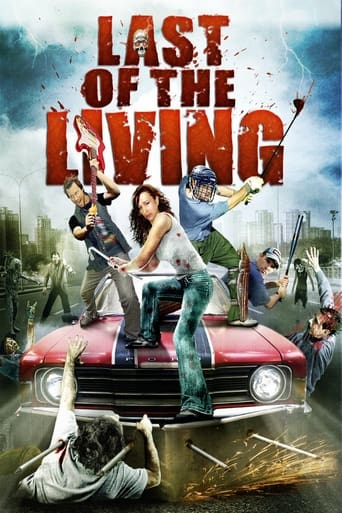
A contagious virus is turning everyone into zombies, and the only hope for survival lies in the hands of three couch potatoes.
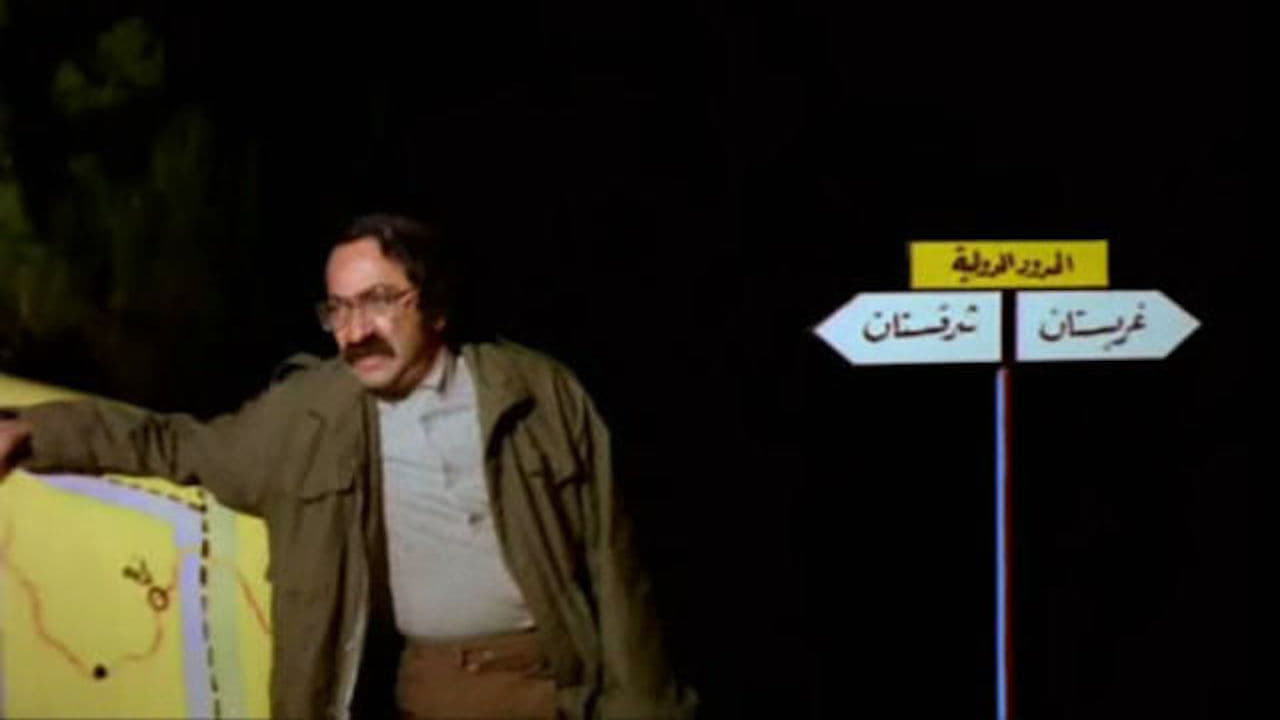
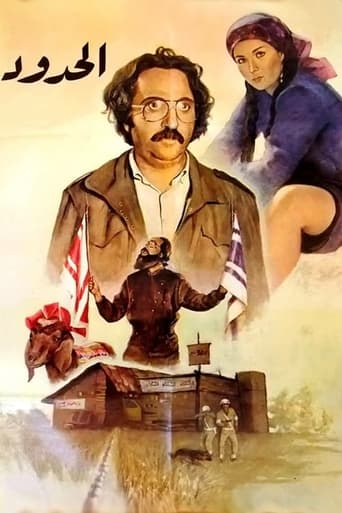
A traveler between two countries metaphorically named "Easternstan" and "Westernstan" loses his passport and identity papers. Stuck between the two countries he can neither cross the frontiers nor get back to where he came from. He's forced to camp in the neutral area between the two countries, facing a lot of funny situations while there. The movie satirizes the ideology of Arab unity and cooperation at the state level.